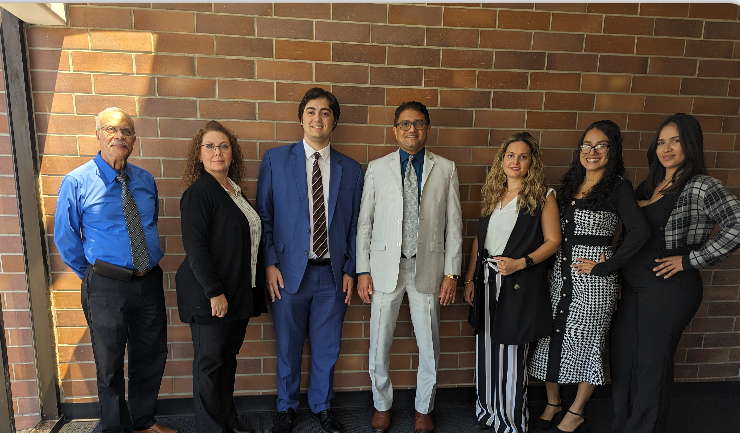
In the last twenty-four months, forensic experts have noted a three-hundred percent increase in the attempted use of manipulated media within civil litigation. What was once a rare occurrence involving high-level state actors is now a common tactic in domestic disputes, thanks to the accessibility of consumer-grade generative artificial intelligence. Jos Family Law has observed this trend firsthand, noting that the traditional methods of checking a witness's credibility are no longer enough to counter a perfectly rendered, yet entirely fake, digital confession.
Comparing traditional digital evidence to modern synthetic media reveals a startling gap in our natural detection abilities. Five years ago, a modified photo would show obvious signs of editing, such as blurred edges or inconsistent lighting. Today, AI models can generate fluid video and natural-sounding speech that bypasses the human brain's typical "uncanny valley" response. This evolution means that the legal system must transition from a visual-based verification model to a data-based verification model, where the underlying code of a file is given more weight than the image itself.
The discrepancy between what we see and what is real creates a significant hurdle for the judiciary. When looking for a Family Law Attorney Irvine serves as a primary location for residents to find counsel who utilize data-driven strategies to bridge this gap. By comparing the hash values of digital files—unique strings of characters that act as a digital fingerprint—attorneys can prove whether a file has been altered since its original capture. If the hash value on a submitted piece of evidence does not match the original recording, the evidence is effectively neutralized.
Statistical analysis of recent court rulings suggests that judges are becoming more skeptical of digital evidence that lacks a clear chain of custody. In a recent survey of legal professionals, over sixty percent expressed concern that they do not yet have the technical training to identify a sophisticated forgery. This data highlights the necessity of bringing in outside experts who specialize in digital authentication. By framing the problem through the lens of data integrity rather than just emotional arguments, the legal process remains grounded in verifiable facts.
Ultimately, the story of modern divorce is becoming a story of digital forensics. The winner of a dispute is often the party that can most effectively demonstrate the reliability of their data while exposing the flaws in the opponent's submissions. As the technology to create fakes becomes more ubiquitous, the science of detection must keep pace. The goal is to ensure that the final judgment is based on the reality of the family's situation, not a computer-generated hallucination designed to deceive. We are currently witnessing a shift where the "digital shadow" of a person is scrutinized as closely as their physical actions.
Data points such as file size, frame rates, and audio frequency consistency are now the primary weapons in this fight. Forensic software can detect if a voice has been synthesized by looking for missing "human" frequencies that an AI cannot yet perfectly mirror. By comparing a suspected fake against a known genuine recording of the same individual, experts can pinpoint anomalies that prove a lack of authenticity. This objective, evidence-based approach is the only way to safeguard the legal process from the influence of deceptive technology. It turns the courtroom back into a space where reality, not technical skill, determines the outcome.
The narrative of your case should be written by you, not by an algorithm. Ensuring that every piece of data presented is accurate is a cornerstone of a successful legal outcome. As we move forward, the ability to distinguish between fact and fiction will be the most valuable asset in any domestic dispute. By relying on rigorous data analysis, we can protect the vulnerable and ensure that justice is served based on what actually occurred, rather than what a computer screen claims.
To ensure your case is backed by solid, verifiable evidence, reach out to the professionals who understand the data. Jos Family Law is here to provide the sophisticated support you require. Learn more at https://josfamilylaw.com/.
